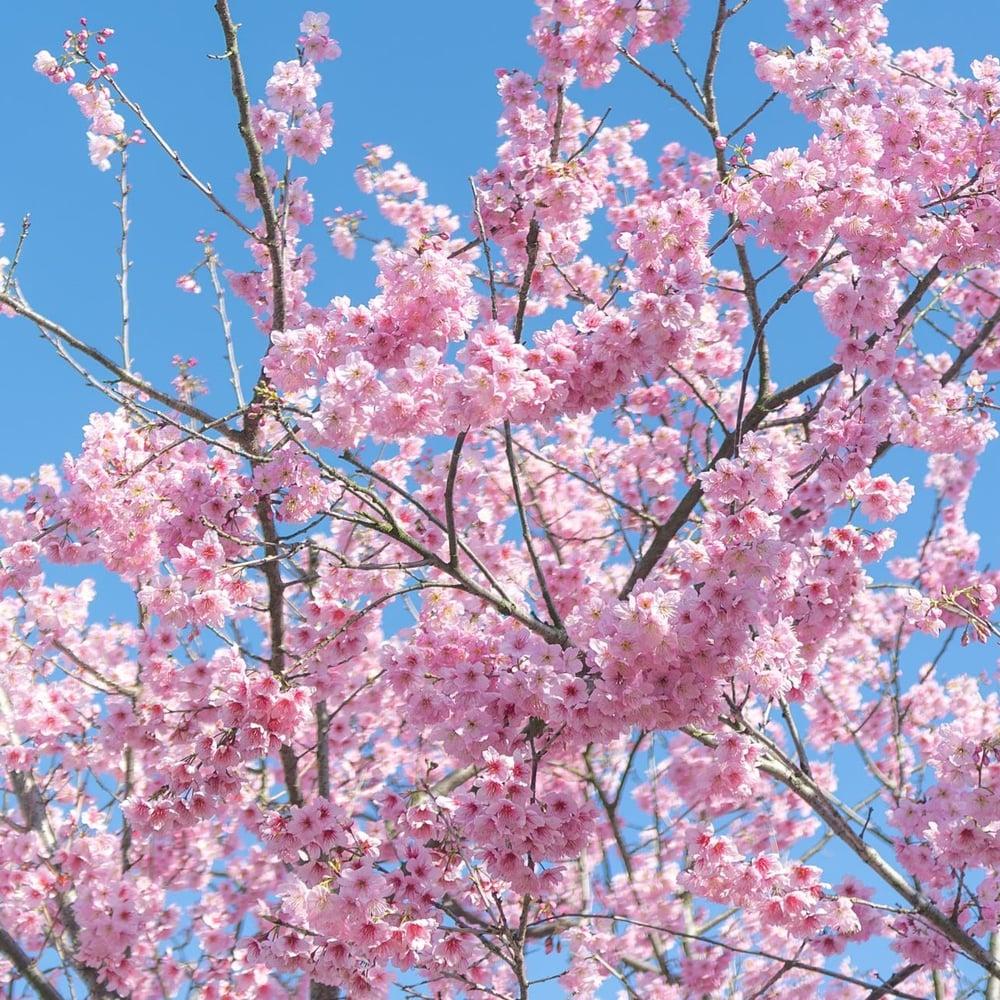
Photo supplied by the editor
The Top 5 Global Cherry Blossom Destinations
The 5 Best Places to See Cherry Blossoms in 2026
This list ranks the top five global destinations for cherry blossom viewing in 2026, ordered by the density of blooms, cultural significance, and unique viewing experiences reported by international travel authorities.
- ¥600
- Heian Shrine entrance fee
- 2 million
- Visitors to Ueno Park
- 3,000
- Trees gifted to DC in 1912
1. Kyoto, Japan
Kyoto remains the definitive hanami destination, offering a blend of historic architecture and natural beauty that few other cities can match. According to Condé Nast Travel Specialist Sara Aiko, who has curated experiences in the city since 2010, the Heian Shrine provides a superior alternative to the massive crowds found at Maruyama Park or Kiyomizu Temple. The shrine’s late 19th-century Shinto garden, designed in the traditional strolling style, surrounds a central lake and features delightful sakura trees mingling with other flora. Visitors pay an entrance fee of ¥600 (£3.15) to access this tranquility. For those seeking a more active experience, the banks of the Kamo River offer ideal picnic spots beneath the canopy. While Ueno Park in Tokyo attracts nearly 2 million visitors, Kyoto’s temple-lined streets provide a more serene immersion into the tradition of flower viewing.
2. Washington DC, United States
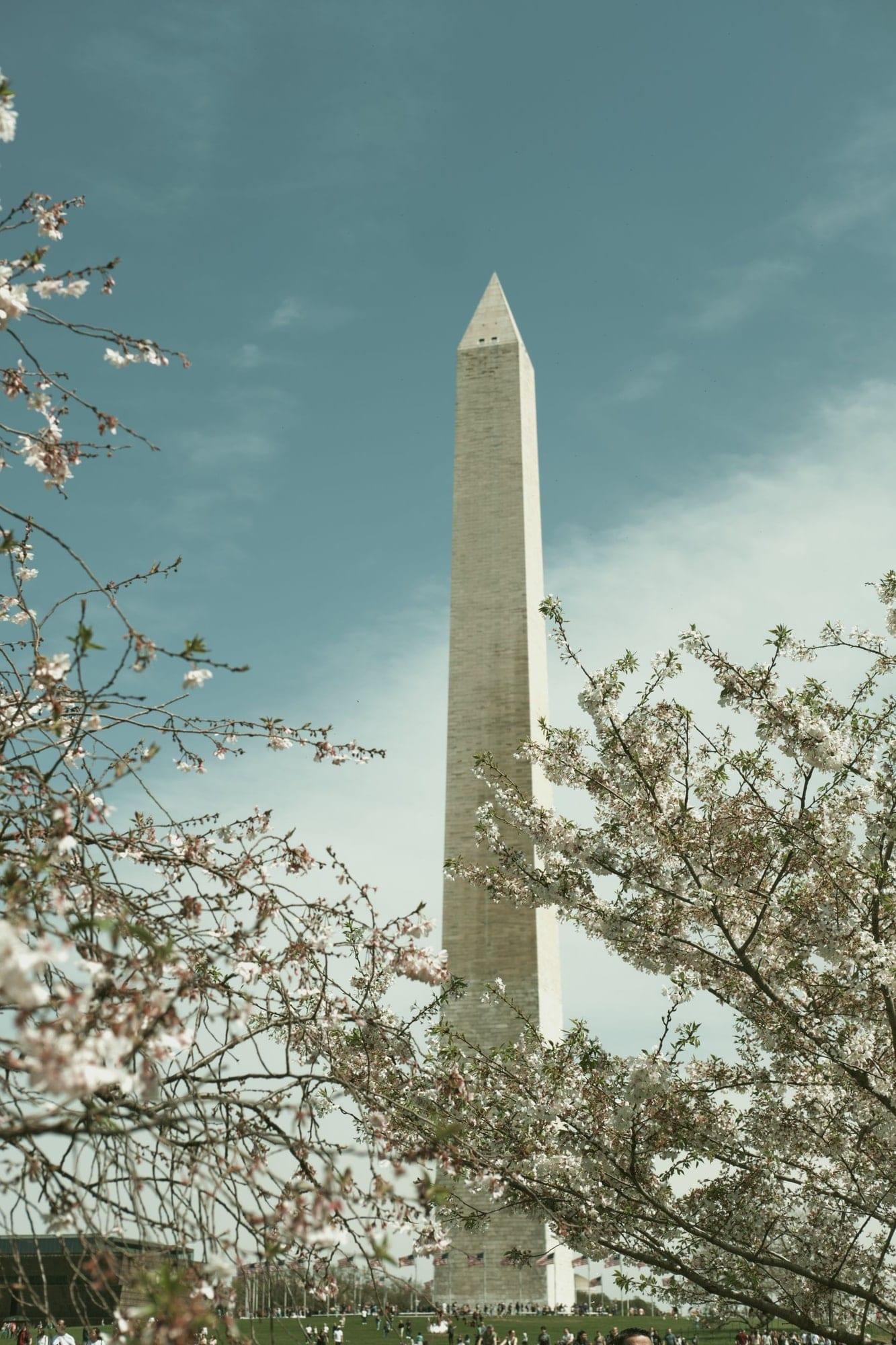
For a spectacle of diplomatic history and sheer scale, Washington DC is unmatched. The National Cherry Blossom Festival draws approximately 1.5 million visitors annually to celebrate the 1912 gift of 3,000 trees from Japan. The blooms cluster around the picturesque Tidal Basin, fronting the Potomac River, creating a scenic backdrop for the Jefferson Memorial. Peak bloom typically arrives between the last week of March and the first week of April, though weather patterns can shift this window. In 2024, peak bloom occurred on March 17, while in 2025 it arrived on March 28. The festival spans three weeks and includes events such as a kite festival, parades, fireworks, and art installations. Unlike the dense urban parks of Japan, the open spaces of the National Mall allow for expansive views of the eleven species of flowering cherry trees that ring the basin.
3. Macon, Georgia, United States
While DC is famous, Macon holds the record for density. This southern US city-county is home to nearly 350,000 Yoshino cherry trees, a concentration nearly one hundred times greater than that of the National Mall in Washington DC. The Macon-Bibb County International Cherry Blossom Festival runs for ten days in mid-to-late March, transforming the area into a pink wonderland. Events include plant sales, parades, concerts, outdoor movies, and markets, culminating in tethered hot air balloon rides and fireworks over downtown. Key viewing spots include Wesleyan Woods, Fickling Farm, and downtown Macon. The festival was established thanks to local realtor William A. Fickling Sr., who discovered the trees and recognized their potential for celebration. The sheer volume of trees creates a continuous canopy that defines the city’s spring identity.
4. Valle del Jerte, Spain
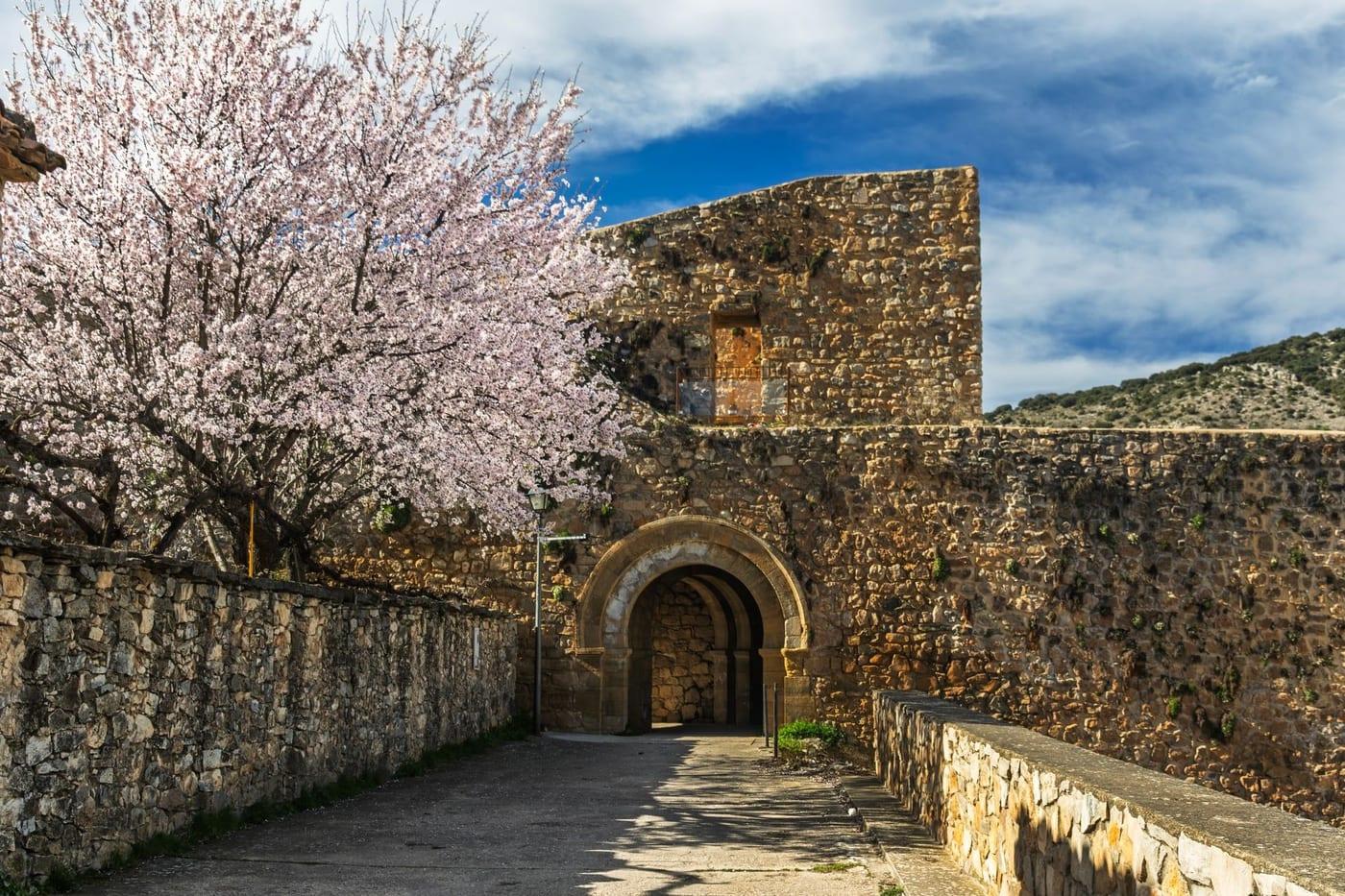
Moving away from East Asia and North America, Europe’s premier blossom destination is the Jerte Valley in Extremadura, Spain. Here, over 1.5 million sweet cherry trees cover the hillsides, producing snow-white flowers that appear to frost the landscape. The region hosts the annual Fiesta del Cerezo en Flor in March, featuring markets and exhibitions throughout the villages. Unlike the ornamental varieties often planted in urban centers, these trees are grown for fruit, adding a layer of agricultural heritage to the visual display. The valley’s microclimate allows for a prolonged blooming period, and the steep terrain offers dramatic vistas of white blossoms against green mountains. It is a distinct alternative to the pink hues of Asian varieties, offering a rugged, rural charm that contrasts sharply with the manicured parks of Tokyo or DC.
5. Cowra, Australia
Cowra in New South Wales offers the most significant Japanese cultural connection outside of Asia. The town’s Japanese Garden is the largest Japanese garden in the Southern Hemisphere, spanning five hectares (12 acres). Designed by renowned architect Ken Nakajima, the garden reflects all landscape types of Japan and serves as a symbol of peace following the resolution of tensions from World War II. The Japanese government supported the development as a sign of thanks for the respectful treatment of Japanese war dead held in a nearby POW camp. An annual cherry blossom festival takes place in September, marking a unique seasonal inversion for the Southern Hemisphere. The garden features a strolling path that guides visitors through carefully curated scenes, including ponds and pavilions, providing a contemplative experience distinct from the festive crowds of other destinations.
Who Each Entry Suits
- Kyoto suits travelers seeking deep cultural immersion and historic architecture. It may not suit those who prefer quiet, solitary nature walks without paying entrance fees, as popular spots like Maruyama Park are extremely crowded.
- Washington DC suits families and festival-goers who enjoy organized events, parades, and iconic landmarks. It is less suitable for those wanting to avoid large crowds or who cannot travel in late March.
- Macon, Georgia suits road-trippers and those interested in massive agricultural spectacles. It is ideal for photographers seeking dense color but may feel overwhelming due to the sheer volume of tourists during the festival.
- Valle del Jerte suits hikers and nature lovers who prefer rural landscapes and mountain scenery. It is less suitable for those expecting urban amenities or easy public transport access to remote villages.
- Cowra suits history buffs and travelers looking for a peaceful, reflective experience in the Southern Hemisphere. It is niche and may require specific timing (September) for those avoiding the Australian summer heat.
Where Sources Disagreed
Sources varied significantly on what constitutes the “best” experience. Lonely Planet and The Points Guy highlighted global diversity, including Paris and Taiwan, while Trip.com focused heavily on Japan’s secondary cities like Kamakura and Enoshima, noting a 66% rise in bookings there. BBC Travel and Smithsonian Mag emphasized the historical diplomacy behind the trees in DC and Vancouver. There was no disagreement on the top locations’ popularity, but rather on whether to prioritize traditional hanami (Kyoto) or modern festivals (DC/Macon). The selection above prioritizes the highest density of trees and most distinct cultural contexts as reported by multiple independent sources.
| Figure | What it measures | Source |
|---|---|---|
| ¥600 | Heian Shrine entrance fee | www.bbc.com |
| 2 million | Visitors to Ueno Park | en.tempo.co |
| 3,000 | Trees gifted to DC in 1912 | www.smithsonianmag.com |
Rankings are our own editorial judgement, informed by the sources listed. Opening times, prices and access change — check before you travel.
Sources
- From K-Drama to Second-City Sakura: How Travellers are Rethinking Cherry Blossom Season in 2026
- The Best Places to See Sakura Blossoms in Japan
- The best places to see cherry blossoms in Kyoto
- 16 best places to see cherry blossoms in Japan – with 2026 dates
- The Top 10 Places to See Cherry Blossoms Around the World in 2026
- Central Park Cherry Blossoms: Best Viewing Spots & Bloom Guide
- ‘A pink wonderland’ - North East cherry blossom ‘heaven’ among best this spring
- Where to See the Best Cherry Blossoms Around the World
- Best Places to See Cherry Blossoms Around the World
- 10 best places to see cherry blossoms in the US - Lonely Planet
- When and where to see the best cherry blossoms in the U.S.
- Cherry blossom cultivation by country - Wikipedia